In this article
- Introduction
- Where Barbershops Lose Potential Revenue
- Stop Losing Money by Making Booking Easier
- Fill Empty Appointment Slots With a Simple Waitlist
- Reduce No-Shows With Clear Reminders and Policies
- BarberReceptionist: Answer Calls and Capture Booking Opportunities
- Turn First-Time Visitors Into Repeat Clients
- Bring Back Clients Who Have Not Booked Recently
- Track the Numbers Behind a Fuller Appointment Book
- Conclusion
- FAQs
Introduction
You've been on your feet cutting all day, and the gaps in tomorrow's book still bother you. A missed call or a late cancellation is income you had already counted on.
When you're working this hard and bookings keep slipping away, working out how to stop losing money feels like guesswork. It mostly isn't. The gaps tend to come from a small number of places, and each has a practical fix.
This guide covers where the revenue actually leaks, how to fill empty slots, how to cut no-shows, and how to give clients a reason to come back.
Where Barbershops Lose Potential Revenue
An unanswered call isn't automatically a lost customer, but it leaves a booking hanging. Someone ringing on their lunch break will often try the next shop before you get back to them.
Start by recording missed enquiries and checking how many turn into appointments. Until you know that number, everything else is a guess.
The other gaps are late cancellations and clients who leave without booking their next visit. Keep the arithmetic honest while you count them: two unfilled $25 appointments are $50 of potential service revenue, not $50 of lost profit — your costs run either way, and some of that time you'd have spent on the floor regardless. The point of the number is to show you where to look, not to make the loss sound dramatic.
Stop Losing Money by Making Booking Easier
Booking shouldn't be a guessing game. Show service names, prices, and how long each takes, so someone booking a skin fade and a beard trim can see which option covers both.
Display real available times rather than inviting a back-and-forth. Every message exchanged is another chance for the client to give up.
Put the booking link where people actually look — your website and your Google Business Profile — and keep opening hours and contact details accurate on both. An out-of-date profile sends people to a closed shop, and they rarely try twice.
After someone books, send a confirmation with the service, date, time, and location, plus a way to ask a question the booking page didn't answer.
Fill Empty Appointment Slots With a Simple Waitlist
A cancellation waitlist is the most direct fix for a hole in tomorrow's book, and you can run one without any software.
Ask clients whether they'd like to hear about earlier openings. Record four things: preferred barber, service, which days work, and how much notice they need. Someone who needs an hour's warning is no use for a slot opening in twenty minutes.
When a slot opens, contact the person whose preferences match — not simply the first name on the list. Give them a clear deadline to reply so you can move on, and confirm the booking in your calendar before offering that time to anyone else. A waitlist that creates double bookings costs more than the empty slot did.
Reduce No-Shows With Clear Reminders and Policies
Clients forget, particularly when they booked three weeks ago. Send a confirmation at the time of booking and a reminder before the visit — most booking software will do this for you, so check what yours already supports before paying for anything extra.
Make cancelling easy. That sounds backwards, but an appointment someone cancels is a slot you can refill; an appointment they silently skip is gone. Give them an obvious way to tell you plans have changed.
Explain your cancellation policy before they finish booking, in plain language covering notice periods and any fee. For longer services, some shops take a deposit — worth considering against your own clientele rather than as a default. Apply the policy consistently, but leave yourself room to be human about a genuine emergency.
BarberReceptionist: Answer Calls and Capture Booking Opportunities
The missed-call gap is the hardest one to close by hand, because the fix requires you to stop cutting.
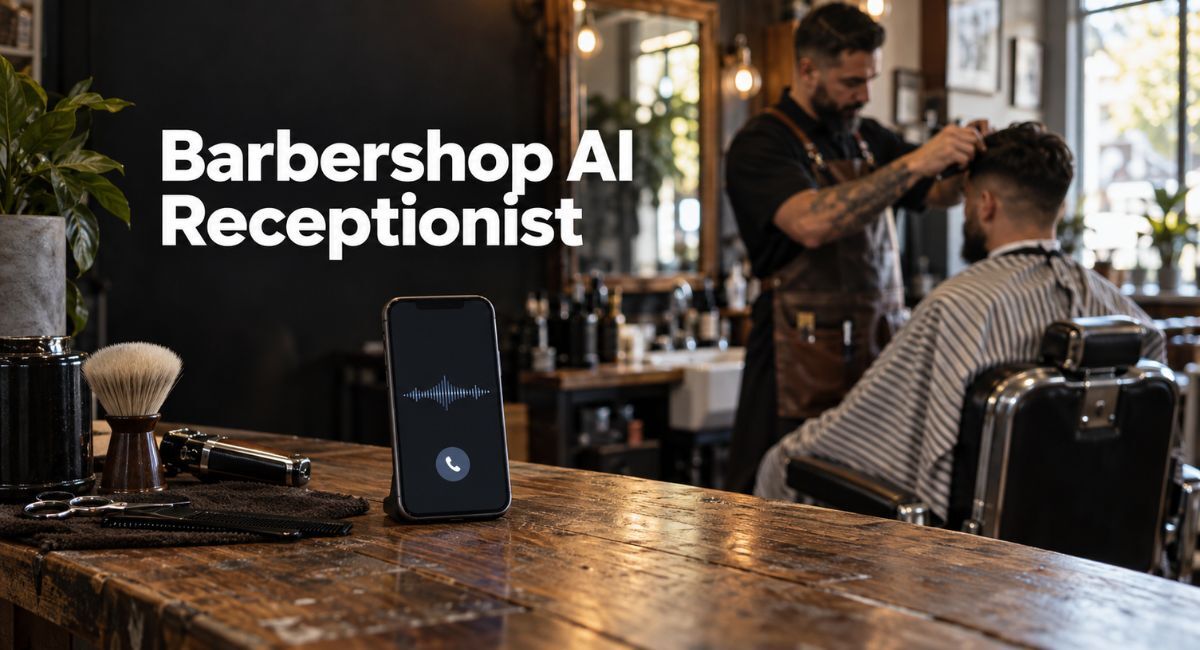
BarberReceptionist answers calls for barbershops, understands services like fades and beard trims, and books into Google Calendar so appointments appear as ordinary events on your phone. It handles availability across multiple barbers, and supports rescheduling and cancelling by phone as well as booking — so a cancellation releases the slot rather than leaving a gap you find out about on the day.
You can hear recorded sample calls before talking to anyone. Every account starts with 15 free minutes and no card required, which is enough to ring your own number and try the calls that actually matter: two services at once, a specific barber, a time that's already taken.
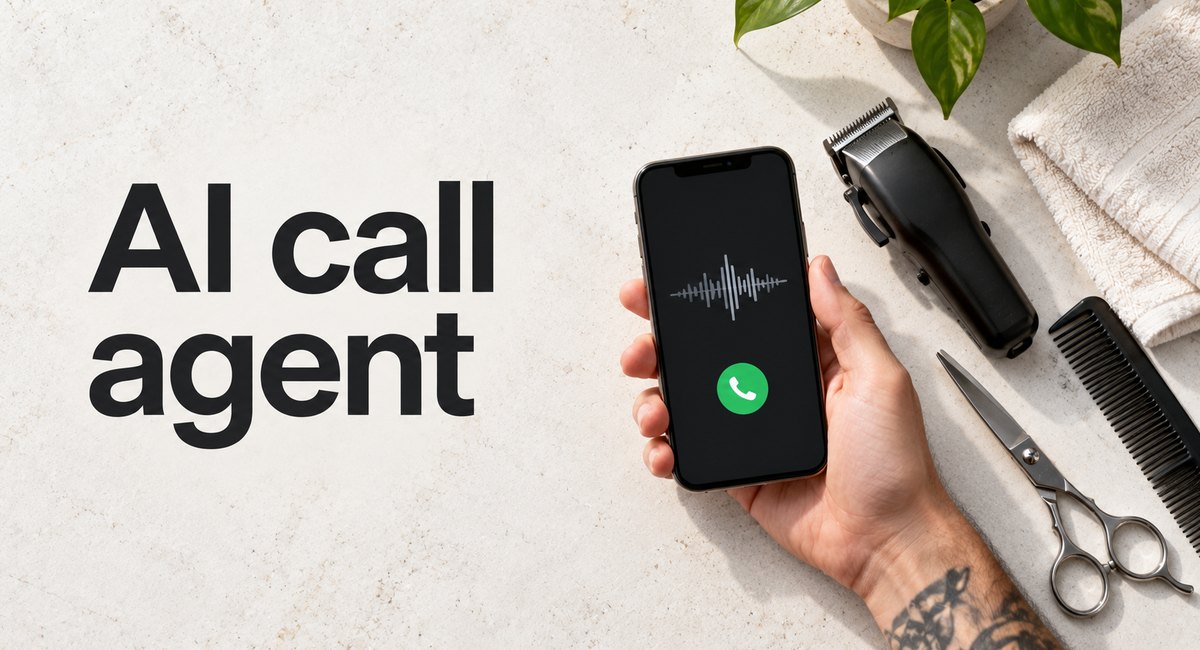
Before committing to anything, check how it connects to your booking setup and how a complicated question reaches a person. Our guide to AI call agents covers what to test, and the pillar guide to barbershop AI receptionists is the wider overview.
Turn First-Time Visitors Into Repeat Clients
A full book starts with giving people a reason to return. Ask what they liked about their last cut and what they want different today, then remember the useful details — guard length, how they wear it, preferred finish.
Before they pay, ask whether they want to book the next one. Suggest a date that suits their hair and routine rather than pushing everyone to the same four weeks. If they aren't ready, make sure they know how to book later.
Consistency and a convenient return visit do more for retention than discounts, and they don't train clients to wait for the next offer.
Bring Back Clients Who Have Not Booked Recently
An inactive client usually isn't an unhappy one. Work, travel, and changed routines interrupt regular visits.
Check each person's own pattern before deciding they've drifted. Someone who comes every two weeks needs a different follow-up than someone on a two-month cycle — treating both the same makes one feel nagged and lets the other go cold.
Send a short message on a channel they've agreed to hear from you on:
Hi Adam, hope you're well. If you're ready for your next trim, here's our booking link.
Keep it useful rather than salesy, honour any request to stop, and don't chase someone who hasn't replied. One good invitation beats four ignored ones.
Track the Numbers Behind a Fuller Appointment Book
Five measures tell you most of what you need:
| Measure | How to work it out | What it tells you |
|---|---|---|
| No-show rate | Missed ÷ scheduled × 100 | Whether reminders are working |
| Rebooking rate | Share of visits that lead to another booking | Whether the counter conversation works |
| Chair utilisation | Booked service time ÷ time made available | How much capacity sits idle |
| Average appointment value | Service revenue ÷ completed appointments | Whether the mix is shifting |
| Waitlist fill rate | Cancellations refilled ÷ cancellations | Whether the waitlist is worth running |
Compare similar periods and keep your definitions identical each time, or the trend is meaningless. A weekly glance is usually enough to tell you which of these pages you need: better reminders, easier booking, or more follow-up.
Conclusion
You don't need to change everything to stop losing money on bookings you nearly had. Clear booking steps, timely reminders, and a waitlist you actually work will close most of the common gaps, and a reason to return keeps them closed.
Start with the one you see most — unanswered calls, or cancellations nobody fills. Make a single change, track it over the next few weeks, and keep what makes your clients' booking easier and your day less interrupted.
FAQs
Why does my barbershop have empty slots even on busy days?
Missed calls, late cancellations, and uneven demand across the week all leave gaps. Track when the gaps appear before deciding which one to fix.
How can I fill last-minute barber cancellations?
Keep an opt-in waitlist recording each client's preferred barber, service, days, and how much notice they need, then contact whoever matches the opening.
How can I reduce no-shows at my barbershop?
Send a confirmation at booking and a reminder before the visit, make cancelling easy so slots free up, and explain your policy before the client finishes booking.
How do I encourage barber clients to book again?
Offer the next appointment before they pay, and suggest a return date that suits their hair and routine rather than the same interval for everyone.
How can I handle booking calls while cutting hair?
Either front-desk help or an AI receptionist that books into your calendar and passes anything complicated to a person. Test it on awkward calls before relying on it.